The Quick Answer: Transducer vs. Transmitter
Before buying, you must know the difference, as these terms are often confused:
- Pressure Transducer: Outputs a raw voltage signal (e.g., 0-100mV). It is good for short distances inside a machine or lab.
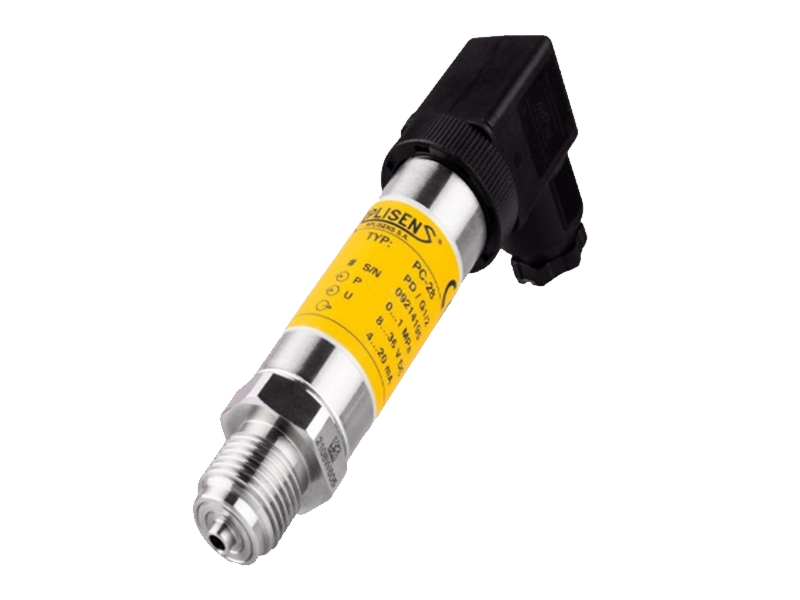
- Pressure Transmitter: Contains electronics to amplify the signal to 4-20mA. It is essential for industrial plants because the signal can travel long distances to a PLC without noise interference.
Rule of Thumb: If you are running a wire more than 2 meters to a control panel, always buy a 4-20mA Pressure Transmitter.
Introduction: Safety Under Pressure
In any processing plant, pressure is potential energy. Uncontrolled pressure can lead to burst pipes, damaged seals, or catastrophic tank failures.
Whether you are monitoring hydraulic oil in a press, steam in a boiler, or water in a supply line, the Industrial Pressure Transmitter is your primary safety watchman.
At Nuicon, we supply transmitters that withstand the toughest conditions—vibration, heat, and corrosive chemicals. But a robust sensor is useless if it’s the wrong spec. Here is how to select the right one.
1. Understanding Pressure Types: Gauge vs. Absolute vs. Differential
This is the most common mistake buyers make. You must specify the “Reference Pressure.”
A. Gauge Pressure (PSIG / BarG)
- What it is: Measures pressure relative to the atmosphere. If you disconnect the sensor, it reads “0”.
- Use Case: 95% of industrial applications. Water pumps, hydraulic lines, open tanks.
B. Absolute Pressure (PSIA / BarA)
- What it is: Measures pressure relative to a perfect vacuum. At sea level, it reads approx 1.013 bar (atmospheric pressure).
- Use Case: Vacuum packing machines, localized weather monitoring, or specialized chemical reactions.
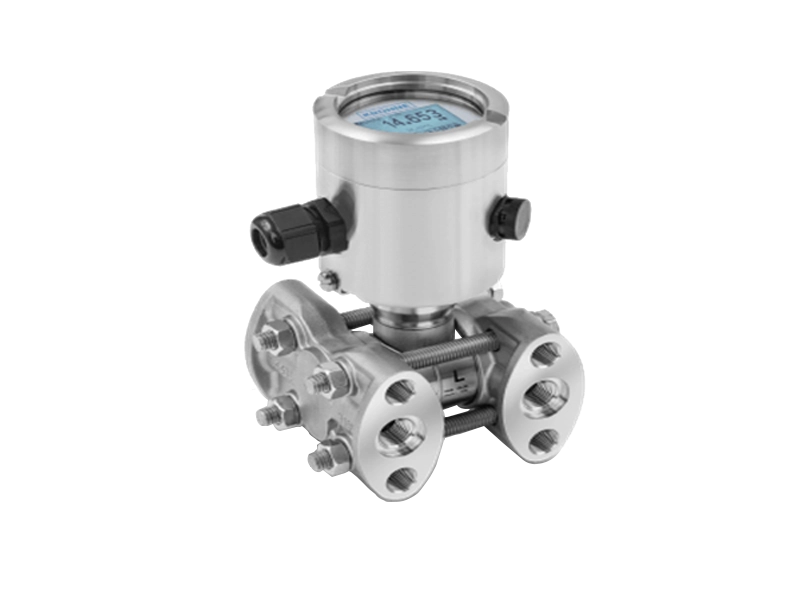
C. Differential Pressure (DP)
- What it is: Measures the difference between two points (High side vs. Low side).
- Use Case: Monitoring filter clogs (pressure drop) or measuring liquid level in a pressurized tank.
2. Material Selection: The “Wetted Parts”
The “Wetted Part” is the diaphragm that actually touches your process fluid. If this corrodes, the sensor fails instantly.
- SS316L (Stainless Steel): The industry standard. Good for water, oil, air, and mild chemicals. Nuicon uses this as the default for our transmitters.
- Hastelloy / Tantalum: Required for aggressive acids like Hydrochloric or Sulfuric Acid.
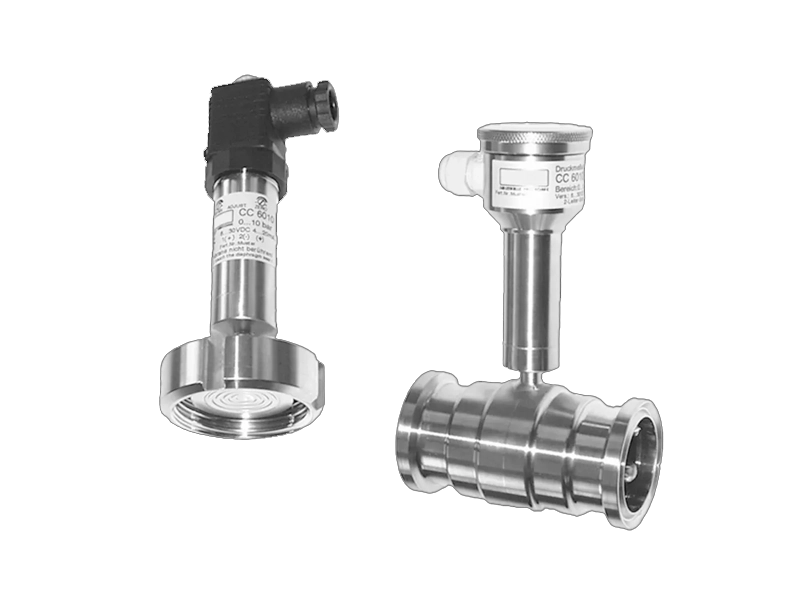
- Flush Diaphragm: Standard sensors have a small hole (port). If you are measuring glue, sludge, or sanitary food products, this hole will clog. Use a Flush Diaphragm sensor where the face is flat and exposed.
3. Temperature Considerations (The Steam Trap)
Electronics hate heat. Most pressure transmitters are rated to work up to 85°C.
The Problem: Steam boilers operate at 150°C+. If you screw a standard transmitter directly into a steam line, you will fry the electronics in minutes.
The Solution: Always use a Syphon (Pigtail) or a Cooling Tower connector.
- Syphon: A curled tube that traps a pocket of water. The steam pushes against the water, and the water pushes against the sensor. This simple barrier drops the temperature from 200°C to <60°C before it hits the sensor.
4. Electrical Output & Connection
- Output Signal: 4-20mA (2-wire) is the global standard. It tells you if the wire is broken (0mA means fault, 4mA means Zero pressure). Voltage outputs (0-10V) are common in HVAC but less immune to factory electrical noise.
- Process Connection: The thread type matters.
- 1/4″ BSP / NPT: Common for compact sensors.
- 1/2″ BSP / NPT: Standard for heavy industrial pipes.
- Nuicon Tip: We recommend using a Manifold Valve or at least a ball valve before the sensor. This allows you to close the line and remove the sensor for maintenance without shutting down the whole plant.
Frequently Asked Questions (FAQs)
Q: What happens if I exceed the pressure range?
A: Every sensor has an “Overpressure Limit” (usually 1.5x or 2x the range). If you have a 10 Bar sensor and hit 12 Bar, it will likely survive. If you hit 30 Bar (Water Hammer), the internal diaphragm will rupture, and the sensor will read a fixed error value permanently.
Q: Do pressure transmitters need calibration?
A: Yes. Over time, the “Zero” point can shift due to mechanical stress. We recommend a calibration check every 12 months, especially for safety-critical lines like steam or gas.
Q: Can I use a standard transmitter for Oxygen service?
A: No! Oxygen under pressure reacts violently with oil/grease. Sensors for O2 service must be specially “Oil-Free Cleaned” during manufacturing to prevent explosions.
Conclusion: Reliability is Key
A pressure transmitter is often the only thing standing between a safe process and a dangerous leak. Don’t compromise on the build quality.
At Nuicon, our Industrial Pressure Transmitters feature robust SS316L bodies, high overpressure protection, and laser-trimmed accuracy for long-term reliability.
Need a quote for a specific range? View Nuicon’s Pressure Transmitters or contact our sales team for sizing advice.