The Quick Answer: Which Sensors Save Money?
If you want to reduce energy bills in a commercial building, you need “Demand-Controlled” operations. Here are the top 5 HVAC sensors that make this possible:
- CO2 Sensors: Enable “Demand Controlled Ventilation” (DCV)—only bringing in fresh air when people are actually in the room.
- Temperature & Humidity Transmitters: Ensure occupant comfort without “over-cooling” the space.
- Differential Pressure Sensors: Monitor air filters to prevent fans from overworking due to clogs.
- Air Velocity Transmitters: Measure airflow in ducts to optimize VAV (Variable Air Volume) boxes.
- Dew Point Sensors: Prevent dangerous condensation on chilled water pipes.
Introduction: The Hidden Cost of “Blind” HVAC Systems
Did you know that HVAC (Heating, Ventilation, and Air Conditioning) accounts for nearly 40% of a commercial building’s energy usage?
In many older buildings, the HVAC system runs “blind.” It pumps cold air regardless of whether 5 people or 500 people are inside. It pushes air through clogged filters, wasting fan power.
The solution isn’t to replace the entire chiller plant; it is to install smart HVAC sensors. These sensors act as the “eyes and ears” of your Building Management System (BMS), allowing it to make intelligent decisions that save energy.
Here are the top 5 sensors Nuicon recommends for a smarter, greener building.
The single biggest energy waster is heating or cooling outside air when you don’t need to.
- The Problem: Traditional systems bring in a fixed amount of fresh air based on maximum occupancy design. If a conference room designed for 20 people only has 2 people in it, you are wasting energy conditioning air for 18 “ghosts.”
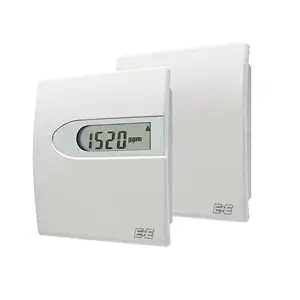
- The Solution: A Carbon Dioxide (CO2) sensor measures the breath of occupants. When CO2 levels are low, the BMS closes the fresh air damper. When the room fills up, it opens.
- The Result: This strategy, called Demand Controlled Ventilation (DCV), can reduce HVAC energy costs by 10-30%.
These are the basics, but accuracy matters.
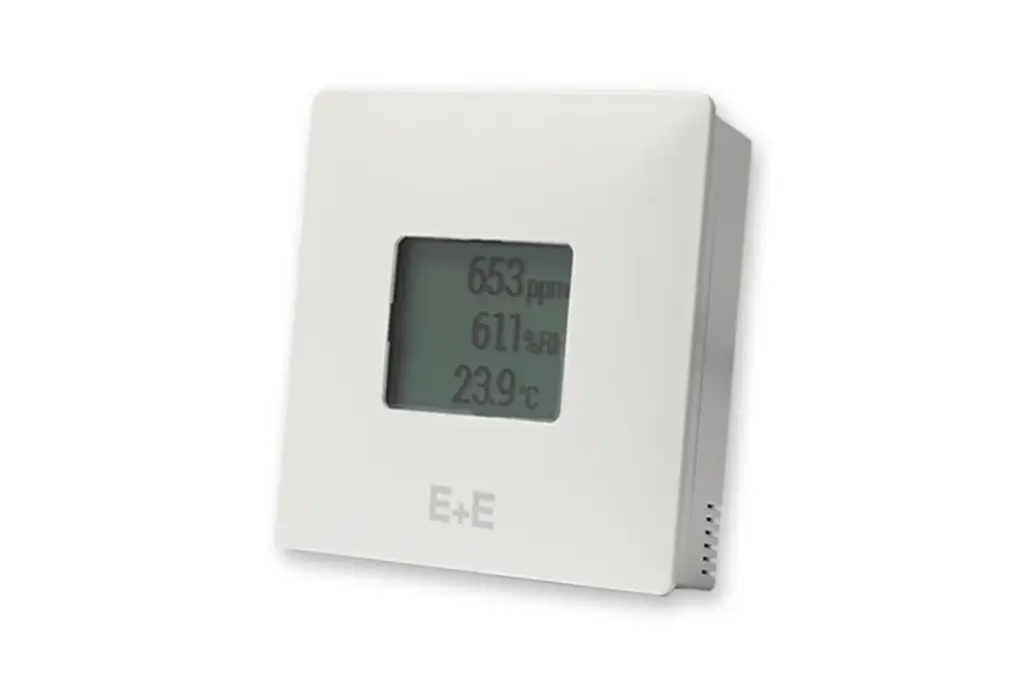
- The Role: A standard thermostat just clicks on/off. A precision Temperature and Humidity Transmitter provides a continuous analog signal (4-20mA or 0-10V) to the BMS.
- Why Humidity Matters: “It’s not the heat, it’s the humidity.” If humidity is high, people feel warmer. By controlling humidity separately with accurate sensors, you can actually set the room temperature higher (saving energy) while keeping occupants just as comfortable.
Your Air Handling Unit (AHU) has filters to trap dust. Over time, these filters get clogged.
- The Function: A Differential Pressure Sensor measures the pressure before and after the filter.
- The Benefit: As the filter clogs, the pressure drop increases. Instead of running the fan harder to push air through a dirty filter (wasting electricity), the sensor alerts the maintenance team to change the filter exactly when needed—not too early, not too late.
Pushing air through miles of ductwork requires massive fan energy.
- The Role: An Air Velocity Transmitter is installed inside the main ducts. It measures exactly how fast the air is moving (in meters per second).
- The Benefit: It ensures that VAV (Variable Air Volume) boxes are receiving the correct airflow. If the velocity is too high, the system creates noise and drafts. If it is too low, the room gets stuffy. Precise control keeps the fans running at the lowest possible speed required.
This sensor is critical for protecting the building infrastructure itself.
- The Risk: In radiant cooling systems or on chilled water pipes, if the surface temperature drops below the “Dew Point,” water condenses. This “sweating” leads to mold growth, ceiling damage, and slippery floors.
- The Solution: A Dew Point Sensor monitors this limit and tells the BMS to slightly raise the chilled water temperature before condensation can form, preventing costly water damage.
Frequently Asked Questions (FAQs)
Q: Can these sensors connect to any BMS?
A: Yes. Most modern HVAC sensors, including Nuicon’s range, use standard industrial output signals like 4-20mA, 0-10V, or Modbus RS485. These are compatible with all major BMS brands like Siemens, Honeywell, and Schneider.
Q: Where should CO2 sensors be mounted?
A: Since Carbon Dioxide is slightly heavier than air but mixes well, wall-mounted CO2 sensors should be placed at “breathing zone” height—typically 4 to 6 feet (1.2 to 1.8 meters) above the floor.
Q: What is the lifespan of an HVAC sensor?
A: Quality industrial sensors typically last 5 to 10 years. However, sensors like CO2 and Humidity drift over time and may require re-calibration every 1-2 years to maintain peak energy efficiency.
Conclusion: Smart Sensors Pay for Themselves
Upgrading your facility with modern HVAC sensors is one of the highest ROI (Return on Investment) projects a Facility Manager can undertake. The energy savings from Demand Controlled Ventilation alone often pay for the sensor installation in less than 12 months.
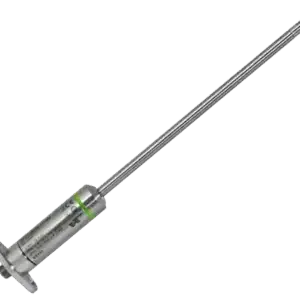
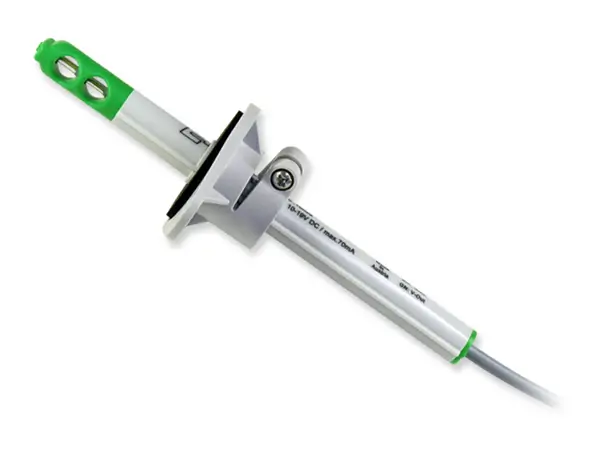
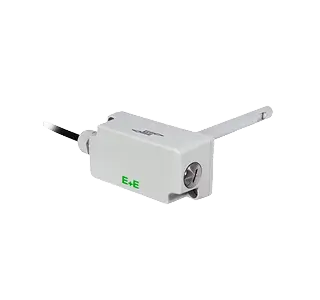
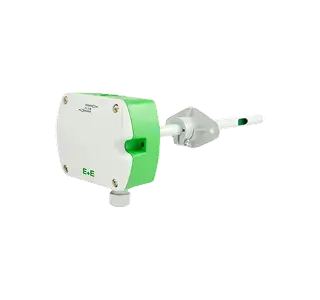
At Nuicon, we manufacture & supply a complete range of building automation sensors—from duct-mount velocity probes to elegant wall-mount room units.
Ready to optimize your building?
Explore Nuicon’s HVAC Sensor Range or request an energy efficiency consultation.