
How to Choose the Best Coating Thickness Gauge for Metals (2025)
How to Choose the Best Coating Thickness Gauge for Metals (2025) Product: Coating Thickness Gauge For Whom: Quality Control Inspectors,...
Read More →
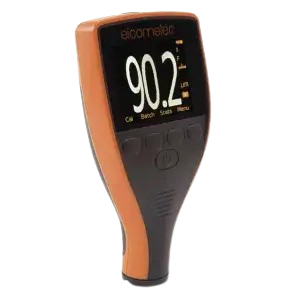
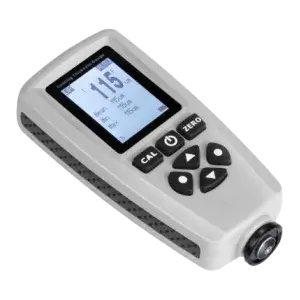
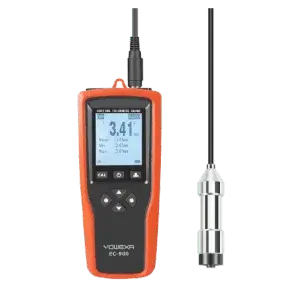
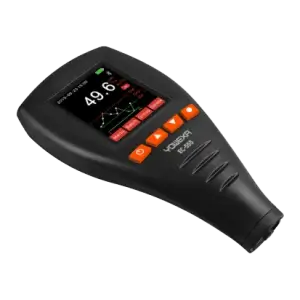
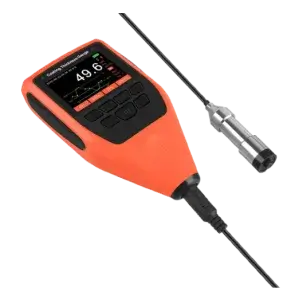
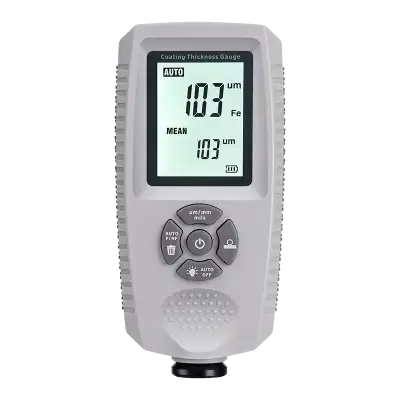
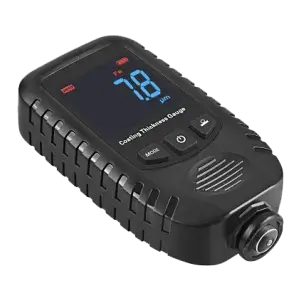
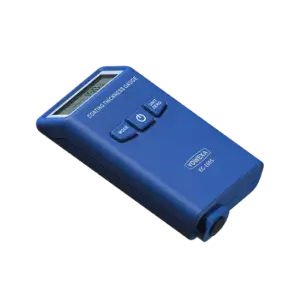
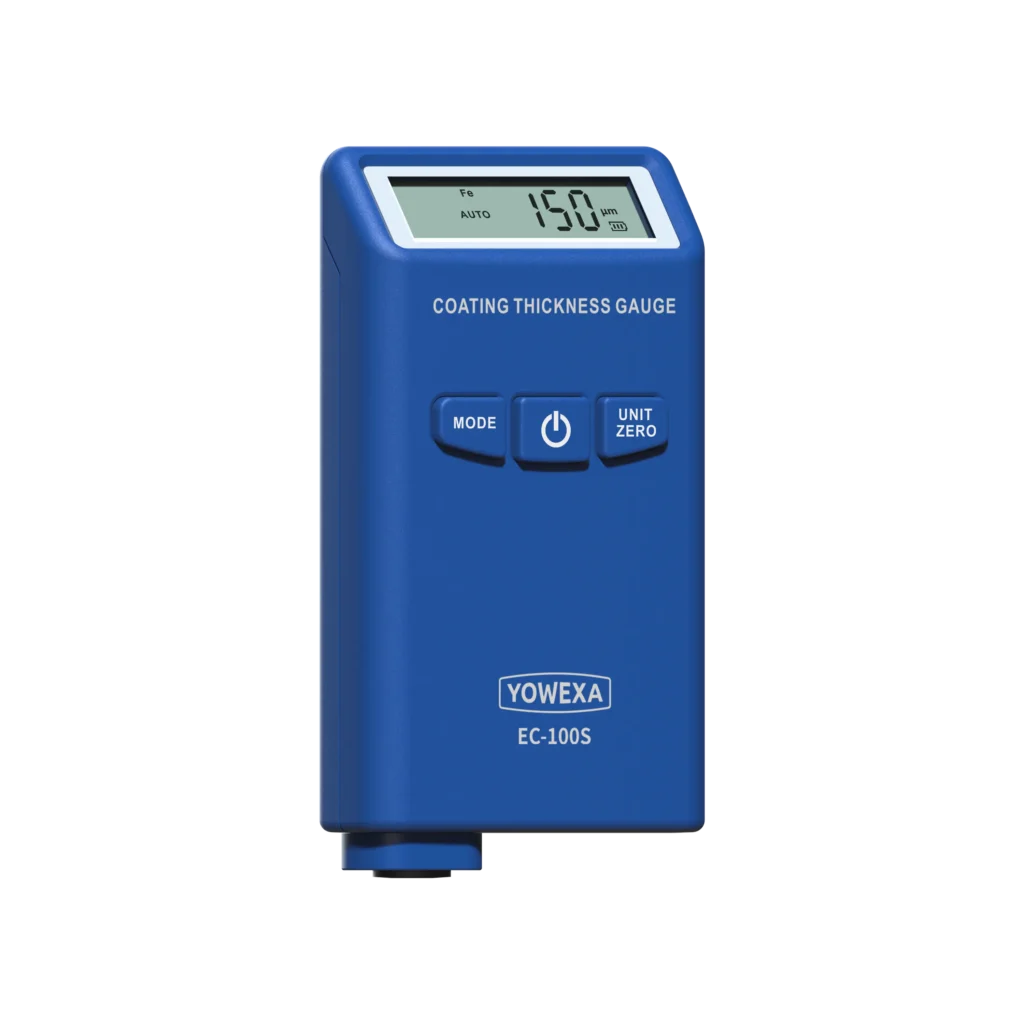
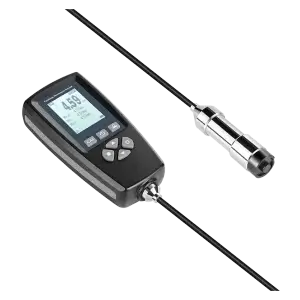
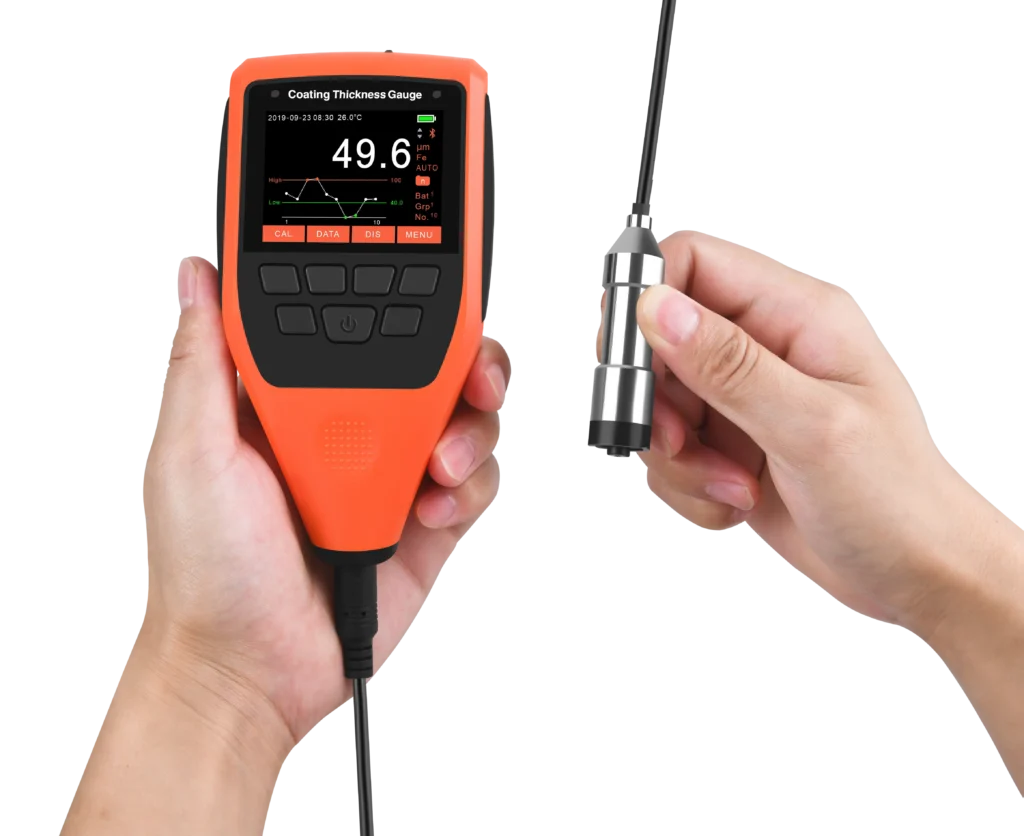
Product: Coating Thickness Gauge For Whom: Quality Control Inspectors, Automotive Detailers, Paint Shop Managers. Category: Sensors / Testing Instruments.
If you need to measure paint or plating thickness on metal, the choice depends on the “substrate” (the metal underneath):
Recommendation: For most industrial professionals, a Dual (FN) Coating Thickness Gauge like the Nuicon EC-770 is the smartest investment because it handles both steel and aluminum surfaces without changing probes.
In industries like automotive, aerospace, and heavy engineering, paint isn’t just about looks—it’s about protection. Too thin, and the metal rusts. Too thick, and the paint cracks or wastes money.
To ensure consistency, Quality Assurance (QA) teams rely on a Coating Thickness Gauge (also known as a DFT Meter or Paint Meter). These handheld devices measure the layer of dry film without damaging the part (Non-Destructive Testing).
But with different testing principles like Magnetic Induction and Eddy Current, choosing the right tool can be confusing. This guide simplifies the technology to help you buy the right instrument.
The most critical factor in selecting a gauge is the base material.
Nuicon Expert Tip: If you run a job shop handling various parts, do not buy single-function gauges. A combined FN gauge saves time and prevents errors.
When comparing digital thickness meters, look beyond the price tag. These features determine usability in the field:
Who actually uses these tools?
Even the best coating thickness gauge will fail if used incorrectly. Follow these 3 steps for accurate results:
A: No. These gauges require a metal substrate (magnetic or conductive) to work. To measure paint on plastic, you would need an ultrasonic gauge, which uses a different and more expensive technology.
A: These are just units of measurement. In the US, “Mils” (1/1000th of an inch) is common. In India and Europe, we use “Microns” (μm). The Nuicon EC Series allows you to switch between units with one button press. (1 Mil ≈ 25.4 Microns).
A: We recommend doing a “Zero Calibration” using the bare metal plate provided in the kit before every shift or whenever you switch to a different base metal material.
Whether you are inspecting a brand new luxury car or checking the galvanization on a bridge beam, the right Coating Thickness Gauge is your first line of defense against corrosion and quality failure.
At Nuicon, we supply the EC Series, a rugged line of industrial gauges designed for Indian manufacturing conditions—dust-proof, durable, and highly accurate.
Ready to upgrade your QC kit? Check the Price of Nuicon EC-770 or contact us for a demo.